
Family and relationships
Explore the essence of family and relationships through shared rituals, gentle discipline, and effective parenting strategies that nurture strong bonds and motivate children.

Children

Parenting
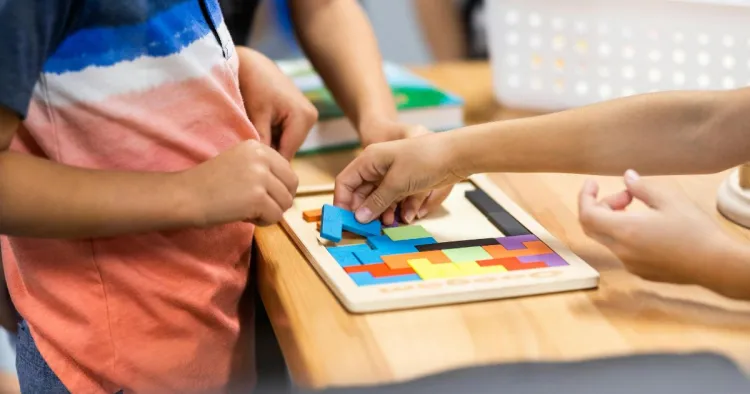
Upbringing
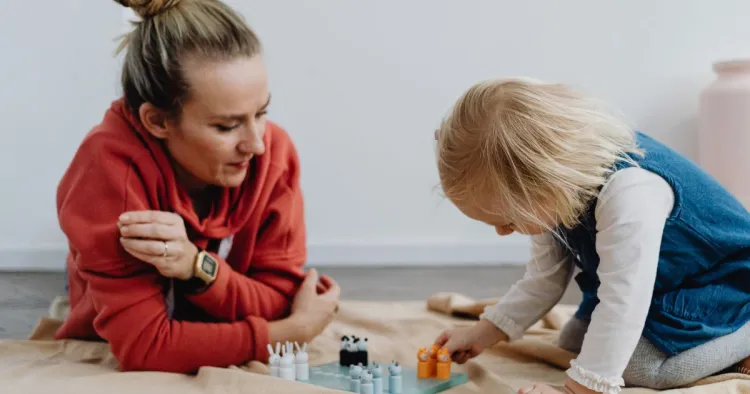
Motivating children

Family relationships

Gentle discipline
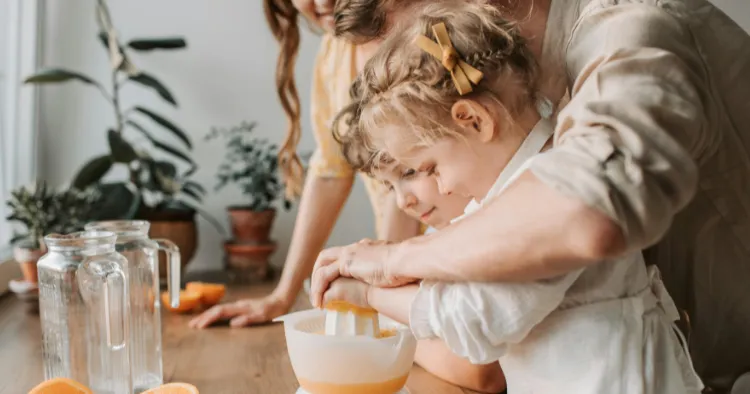
Parental cooperation

Safety routine

Shared rituals

Family memory
Family and relationships

In today's fast-paced world, the dynamics of family and relationships are more crucial than ever. Families serve as the foundational unit of society, and nurturing strong, positive relationships within them can significantly impact children's development and overall well-being. This article explores various aspects of family life, including the importance of shared memories, rituals, safety routines, parental cooperation, and gentle discipline. It aims to provide insights into how these elements contribute to a nurturing environment that motivates children and fosters healthy relationships.
The Power of Family Memory
Family memories are the threads that weave the fabric of our lives. They provide a sense of belonging and continuity, helping children understand their identity and place within the family structure. Creating and preserving family memories can be achieved through various activities, such as family vacations, holiday traditions, or simple everyday moments shared together.
Building Lasting Memories
To build lasting family memories, consider the following strategies:
- Document Experiences: Keep a family journal or scrapbook where you can record significant events, milestones, and everyday moments.
- Engage in Storytelling: Share stories from your childhood or family history during family gatherings to foster a sense of connection.
- Celebrate Traditions: Establish unique family traditions that can be passed down through generations, whether it's a special meal on birthdays or a yearly camping trip.
Shared Rituals: The Glue of Family Bonds
Shared rituals play a pivotal role in strengthening family bonds. These rituals, whether formal or informal, create a sense of unity and belonging among family members. They can be daily routines, such as having dinner together, or special events like family game nights or seasonal celebrations.
The Importance of Routine
Routines provide structure and predictability, which are essential for children's emotional security. When children know what to expect, they are more likely to feel safe and secure. Here are some benefits of establishing shared rituals:
- Enhances Communication: Regular family rituals encourage open dialogue, allowing family members to express their thoughts and feelings.
- Fosters Teamwork: Participating in rituals together helps children learn the value of collaboration and teamwork.
- Creates Lasting Memories: Engaging in shared activities creates cherished memories that families can look back on fondly.
Establishing Safety Routines
Safety routines are critical for ensuring the well-being of children and creating a secure environment for them to thrive. Parents must work together to establish clear safety protocols at home and in the community. This includes everything from teaching children about emergency procedures to setting boundaries regarding interactions with others.
Collaborative Efforts in Safety
Parental cooperation is key to maintaining effective safety routines. Here are some strategies for fostering collaboration:
- Regular Family Meetings: Hold meetings to discuss safety concerns and update routines as needed.
- Consistent Messaging: Ensure that both parents communicate the same safety rules to avoid confusion for children.
- Involve Children: Teach children about safety in an age-appropriate manner, allowing them to ask questions and express their concerns.
Gentle Discipline: Guiding with Love
Discipline is an integral part of parenting, but it is essential to approach it with gentleness and understanding. Gentle discipline focuses on teaching rather than punishing, allowing children to learn from their mistakes while feeling supported and loved.
Principles of Gentle Discipline
Here are some key principles to consider when implementing gentle discipline:
- Set Clear Expectations: Clearly communicate what behaviors are expected and what the consequences of misbehavior may be.
- Use Positive Reinforcement: Encourage good behavior by acknowledging and rewarding it, reinforcing the actions you want to see more of.
- Model Appropriate Behavior: Children learn by example; demonstrate the behavior you wish to instill in your children.
Nurturing Family Relationships
Healthy family relationships are built on trust, respect, and understanding. It is essential for family members to support one another and work through conflicts constructively. One of the most valuable skills to develop in a family is effective communication.
Effective Communication Strategies
To strengthen family relationships, try incorporating these communication strategies:
- Active Listening: Encourage family members to listen to one another without interrupting, showing empathy and understanding.
- Open Dialogue: Create an environment where everyone feels comfortable sharing their thoughts and feelings without fear of judgment.
- Conflict Resolution: Teach children how to resolve conflicts peacefully and respectfully, emphasizing the importance of compromise.
Motivating Children: Fostering a Growth Mindset
Motivation is a crucial element in a child's upbringing. It influences their willingness to learn, explore, and engage with the world around them. Parents play a vital role in fostering a growth mindset, which encourages children to embrace challenges and persist in the face of setbacks.
Strategies for Motivation
Here are some effective strategies for motivating children:
- Set Realistic Goals: Help children set achievable goals that challenge them while still being attainable.
- Provide Constructive Feedback: Offer feedback that focuses on effort and improvement rather than solely on outcomes.
- Encourage Independence: Allow children to make choices and take ownership of their decisions, fostering a sense of responsibility.
The Role of Upbringing in Parenting
The way children are raised significantly impacts their development and future relationships. Upbringing encompasses not only the values and beliefs instilled by parents but also the environment in which children grow up. A nurturing upbringing promotes emotional intelligence, resilience, and strong interpersonal skills.
Creating a Supportive Environment
To create a supportive upbringing, consider the following:
- Model Empathy: Demonstrate empathy in your interactions with others, teaching children the importance of understanding and compassion.
- Encourage Exploration: Allow children to explore their interests and passions, supporting their individuality and creativity.
- Promote Lifelong Learning: Instill a love for learning by engaging in educational activities together, such as reading or visiting museums.
Conclusion: The Heart of Family and Relationships
In conclusion, the essence of family and relationships lies in the connections we nurture and the memories we create. By focusing on shared rituals, safety routines, gentle discipline, and effective communication, parents can foster a healthy environment that motivates children and strengthens family bonds. The journey of parenting is complex and challenging, but it is also incredibly rewarding. Embrace the opportunity to shape your children's lives and cultivate lasting relationships within your family, as these connections will serve as the bedrock for their future success and happiness.
FAQ – Frequently asked questions: family and relationships
Family memories are shared experiences and moments that families cherish together. They play a crucial role in strengthening family bonds, providing a sense of belonging and identity. Creating rituals, such as family vacations or game nights, can help in building these lasting memories.
Shared rituals, like weekly family dinners or movie nights, foster connection and communication among family members. They provide a consistent opportunity for families to engage with one another, share experiences, and reinforce familial ties. Establishing these rituals can lead to a more harmonious family environment.
A safety routine consists of established practices that ensure the well-being of family members. Implementing routines such as emergency drills or safe zones can enhance children's awareness and preparedness in various situations. Regularly reviewing these routines can instill a sense of security and responsibility in children.
Effective parental cooperation involves open communication, shared decision-making, and mutual support. Parents should regularly discuss their parenting strategies and agree on rules and expectations for their children. This unified approach provides a stable environment for children and models teamwork for them.
Gentle discipline focuses on guiding children’s behavior through understanding and empathy rather than punishment. Techniques include setting clear expectations, using natural consequences, and engaging in conversations about feelings. This approach fosters a respectful parent-child relationship and helps children learn self-regulation.
Strong family relationships provide emotional support, stability, and a sense of security that are essential for healthy child development. Children who experience positive interactions with family members are more likely to develop social skills and emotional intelligence. Prioritizing quality time can significantly enhance these relationships.
To motivate children, focus on setting achievable goals and celebrating their successes, no matter how small. Encourage intrinsic motivation by allowing them to make choices and pursue their interests. Additionally, providing consistent positive reinforcement can boost their confidence and drive.
Upbringing shapes a child's values, beliefs, and behaviors, which significantly influence their future success. Providing a nurturing environment that encourages curiosity and resilience can prepare children for challenges ahead. Engaging them in discussions about their goals and aspirations also fosters a growth mindset.
Developing effective parenting skills involves continuous learning and self-reflection. Attend parenting workshops, read relevant literature, and seek advice from experienced parents. Practicing patience, empathy, and active listening can also enhance your parenting abilities.
To strengthen family bonds, prioritize quality time through shared activities such as cooking, outdoor adventures, or game nights. Encourage open communication by creating a safe space for sharing thoughts and feelings. Additionally, expressing appreciation and love regularly can reinforce these connections.