
Education and learning
Utforska hur lek, vanor och strategier formar lärande. Lär dig om livslånga färdigheter, myter och effektiva metoder för att maximera din utbildning.
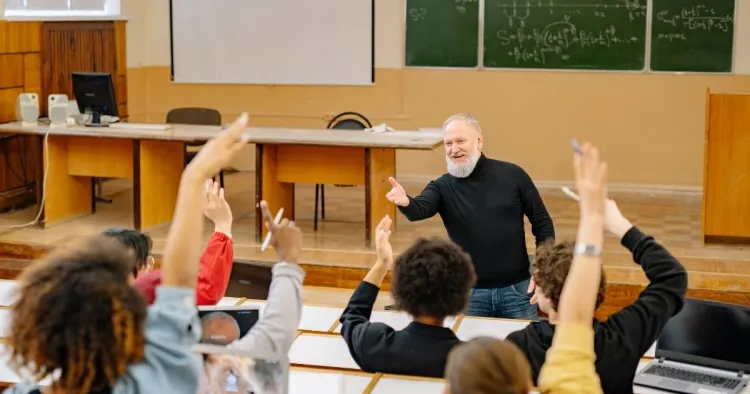
Education

Teaching

Education system

Skills

Study habits

Studies

Effective learning

Key skills
Lifelong learning
Learning strategies

Myths about education

Lifelong skills

Information sources

Micro learning

Learning habits
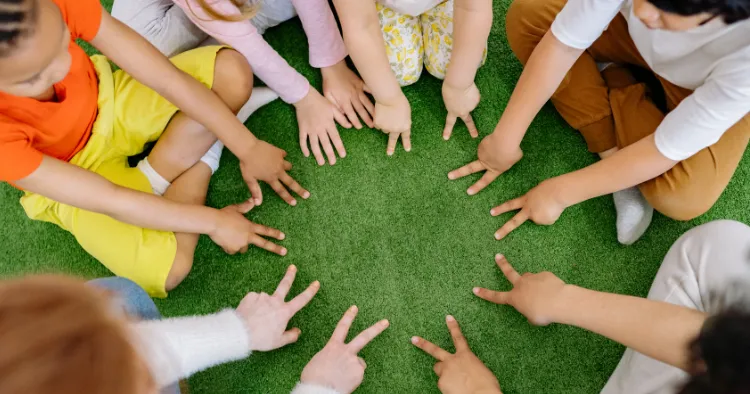
Learning through play
Education and learning

In the rapidly evolving world of education, the way we approach learning is undergoing a significant transformation. No longer confined to the traditional classroom setting, learning is now recognized as a dynamic process that can take place anywhere and at any time. This article delves into various aspects of education and learning, focusing on innovative strategies, lifelong skills, and the importance of nurturing effective study habits. Whether you're a student, educator, or lifelong learner, understanding these concepts can enhance your educational journey and equip you with the tools necessary for success.
Learning Through Play: The Foundation of Education
One of the most effective methods of learning, especially for younger students, is through play. This approach not only fosters creativity and imagination but also encourages critical thinking and problem-solving skills. Learning through play allows children to explore their environment, experiment with new ideas, and develop social skills as they engage with their peers. The benefits of this method extend beyond childhood; adults can also incorporate playful learning into their professional development, making the process enjoyable and engaging.
The Science Behind Playful Learning
Research has shown that play stimulates brain development and enhances cognitive skills. It promotes a sense of curiosity and encourages learners to ask questions, seek answers, and make connections between different concepts. By integrating play into educational frameworks, educators can create a more inclusive and effective learning environment that caters to diverse learning styles.
Developing Effective Learning Habits
Establishing strong learning habits is crucial for academic success. These habits can significantly influence a student's ability to absorb and retain information. Effective learning habits include time management, goal setting, and self-reflection. By cultivating these habits, learners can enhance their focus and productivity, leading to improved academic performance.
Time Management
One of the cornerstones of effective learning is the ability to manage time efficiently. Students should prioritize their tasks, allocate sufficient time for studying, and avoid procrastination. Utilizing tools like planners or digital calendars can help learners stay organized and on track.
Goal Setting
Setting specific, measurable, achievable, relevant, and time-bound (SMART) goals can provide learners with a clear roadmap for their educational journey. By breaking down larger objectives into smaller, manageable tasks, students can maintain motivation and track their progress.
The Rise of Micro Learning
In today's fast-paced world, micro learning has emerged as a popular educational strategy. This approach involves consuming content in small, focused segments, making it easier for learners to absorb and retain information. Micro learning is particularly effective for busy individuals who may struggle to find time for traditional study methods.
Benefits of Micro Learning
- Flexibility: Learners can engage with content at their own pace and on their own schedule.
- Enhanced Retention: Smaller chunks of information are easier to remember, leading to better long-term retention.
- Immediate Application: Micro learning often focuses on practical skills that can be applied immediately in real-life situations.
Identifying Reliable Information Sources
In an age where information is readily available, discerning reliable sources is essential for effective learning. With the rise of misinformation, learners must develop critical thinking skills to evaluate the credibility of the information they encounter. This includes examining the author's qualifications, the publication's reputation, and the evidence supporting the claims made.
Strategies for Evaluating Information
- Cross-Referencing: Verify information by comparing it with multiple reputable sources.
- Checking Author Credentials: Research the author's background to ensure they are knowledgeable in the subject matter.
- Assessing Publication Quality: Consider the publication's track record and editorial standards.
Lifelong Skills and Lifelong Learning
Education is not just about acquiring knowledge; it's also about developing lifelong skills that will serve individuals throughout their personal and professional lives. Lifelong learning refers to the continuous, voluntary, and self-motivated pursuit of knowledge for personal or professional development. This mindset encourages individuals to remain curious and open to new experiences, fostering adaptability in an ever-changing world.
Key Lifelong Skills
- Critical Thinking: The ability to analyze information, evaluate different perspectives, and make informed decisions.
- Communication: Effective verbal and written communication skills are essential for collaboration and relationship-building.
- Collaboration: Working well with others is crucial in both academic and professional settings.
- Adaptability: The ability to adjust to new situations and challenges, a vital skill in today's fast-paced environment.
Debunking Myths About Education
There are many misconceptions about education that can hinder the learning process. Understanding and addressing these myths is critical for fostering a positive educational environment. Some common myths include the belief that intelligence is fixed, that standardized tests are the best measure of a student's abilities, and that learning only occurs in formal settings.
Challenging Common Myths
- Intelligence is Fixed: Research shows that intelligence can be developed through effort and practice.
- Standardized Testing is Definitive: While tests can provide some insight, they do not capture the full spectrum of a student's abilities or potential.
- Learning Only Happens in the Classroom: Many valuable learning experiences occur outside of formal education settings, such as internships, volunteer work, and personal projects.
Effective Learning Strategies
Implementing effective learning strategies can significantly enhance the educational experience. These strategies include active learning, spaced repetition, and the use of mnemonic devices. By employing a variety of techniques, learners can find what works best for them and improve their retention of information.
Active Learning
Active learning involves engaging with the material through discussion, problem-solving, and hands-on activities. This approach encourages deeper understanding and retention of concepts compared to passive learning methods, such as listening to lectures or reading without interaction.
Spaced Repetition
Spaced repetition is a technique that involves reviewing information at increasing intervals. This method leverages the psychological spacing effect, which suggests that information is retained more effectively when it is reviewed over time rather than crammed in a single session.
Study Habits for Success
Developing effective study habits is essential for academic achievement. Students should create a conducive study environment, establish a routine, and utilize study techniques that suit their individual learning styles. Consistency and discipline are key components of successful study habits.
Creating a Study Environment
A dedicated study space free from distractions can significantly enhance focus and productivity. Learners should ensure their environment is well-lit, organized, and equipped with all necessary materials.
Establishing a Routine
Having a consistent study schedule helps reinforce habits and makes studying a regular part of daily life. By allocating specific times for study sessions, students can develop a sense of discipline and accountability.
Understanding the Education System
The education system plays a crucial role in shaping the learning landscape. It encompasses various institutions, policies, and practices that influence how knowledge is imparted and acquired. Understanding the structure of the education system can help learners navigate their educational journey more effectively.
Key Components of the Education System
- Curriculum: The curriculum outlines what is taught in schools and serves as a guideline for educators and students.
- Assessment: Assessment methods, such as exams and projects, evaluate student learning and understanding.
- Teacher Training: The quality of education is directly influenced by the training and qualifications of teachers.
The Role of Teaching in Learning
Effective teaching is fundamental to the learning process. Educators play a vital role in facilitating understanding and encouraging critical thinking. By employing diverse teaching strategies, educators can cater to various learning styles and create an inclusive classroom environment.
Teaching Strategies for Diverse Learners
- Differentiated Instruction: Tailoring lessons to meet the varying needs of students ensures that all learners can engage with the material.
- Collaborative Learning: Encouraging group work and peer interaction fosters a sense of community and enhances learning outcomes.
- Feedback and Assessment: Providing constructive feedback helps students identify areas for improvement and reinforces their learning journey.
Conclusion: Embracing a Holistic Approach to Education
As we navigate the complexities of education and learning, it is essential to adopt a holistic approach that encompasses various strategies and methodologies. By recognizing the value of learning through play, establishing effective study habits, and remaining committed to lifelong learning, individuals can cultivate the skills necessary for success in an ever-changing world. Embracing these principles not only enriches the educational experience but also empowers learners to reach their full potential.
FAQ – Frequently asked questions: education and learning
Learning through play is an educational approach that uses play as a primary mode of learning. It is important because it engages children in a fun and interactive way, helping them develop critical thinking, problem-solving skills, and creativity. Incorporating play into learning can enhance motivation and retention of knowledge.
To develop effective learning habits, establish a consistent study schedule, create a distraction-free environment, and set specific goals for each study session. Additionally, utilize active learning techniques such as summarizing information, teaching others, or applying concepts in real-life scenarios to reinforce your understanding.
Microlearning refers to bite-sized, focused learning segments that can be easily consumed in short periods. It benefits learners by providing flexibility, improving retention through spaced repetition, and allowing for quick access to information. This approach is particularly effective for busy professionals or students who need to learn on the go.
Reliable sources of information for learning include academic journals, educational websites, and reputable books written by experts in the field. Always check the credibility of the author and the publication date to ensure the information is current and accurate. Joining online courses or workshops from established institutions can also provide quality resources.
Lifelong skills are essential abilities that enable individuals to adapt and thrive in various aspects of life, such as critical thinking, communication, and emotional intelligence. To acquire these skills, engage in continuous learning through formal education, workshops, or self-directed study, and practice them in real-world situations to reinforce your competency.
Common myths about education include the belief that intelligence is fixed, that grades are the only measure of success, and that memorization is the best way to learn. These myths can hinder effective learning; instead, embracing growth mindset principles and focusing on understanding concepts can lead to more meaningful educational experiences.
Effective learning strategies include spaced repetition, active recall, and the use of mnemonic devices. Additionally, incorporating varied study techniques, such as visual aids and group discussions, can enhance understanding and retention. It's essential to find strategies that align with your learning style for optimal results.
Embracing lifelong learning involves cultivating curiosity and a willingness to explore new ideas and skills throughout your life. Set personal learning goals, seek out new experiences, and take advantage of online courses, reading materials, and community resources. Regularly reflect on your learning journey to stay motivated and engaged.
Key skills for success in today's education system include critical thinking, collaboration, adaptability, and digital literacy. Developing these skills can be achieved through project-based learning, group activities, and utilizing technology in the classroom. It's crucial to engage with diverse perspectives and problem-solving scenarios to enhance these skills.
To improve your study habits, try breaking your study sessions into manageable chunks, using the Pomodoro technique for time management, and regularly reviewing material. Establish a routine that includes scheduled breaks, and utilize active learning techniques such as teaching the material to someone else or creating mind maps to visualize information.
Teaching plays a crucial role in effective learning by facilitating understanding and guiding students through the learning process. Effective teachers employ diverse instructional strategies, provide constructive feedback, and create a supportive learning environment. Engaging students through interactive methods can enhance their motivation and comprehension.
You can assess your learning progress effectively by setting measurable goals, regularly self-evaluating your understanding, and seeking feedback from peers or instructors. Utilizing quizzes, reflective journals, or practice tests can also help gauge your knowledge retention. Adjust your study strategies based on these assessments to improve continuously.