
Communication and relationship skills
Enhance your communication and relationship skills with techniques like active listening, empathy, and assertiveness to build trust and navigate conflicts effectively.

Communication

Empathy

Conflict situations

Social skills

Assertiveness

Criticism and feedback

Communication skills

Nonverbal strength

Clear message

Cultural empathy
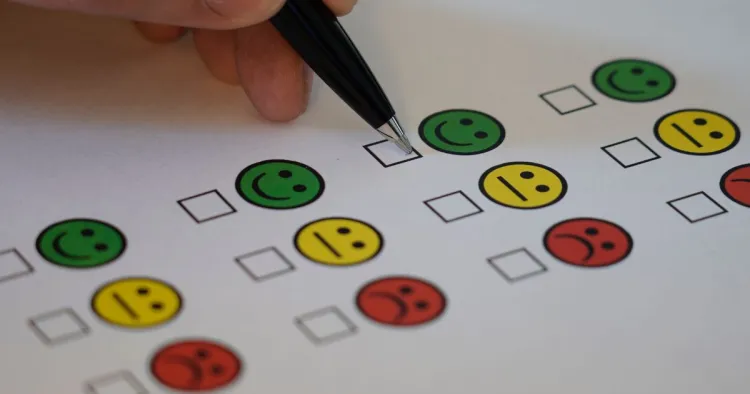
Feedback

Compromise

Active listening

Building trust

Maintaining contacts

De-escalation

Client communication

Speech shadowing

Conversation windows

Consent and sharing

Lightness in dialogue
Communication and relationship skills

In today's fast-paced world, effective communication and relationship skills have become essential for personal and professional success. The ability to convey thoughts clearly, empathize with others, and navigate complex social situations can significantly impact our interactions. This article delves into various aspects of communication, including techniques like lightness in dialogue, consent and sharing, and active listening, while also addressing the importance of building trust and managing conflicts. By honing these skills, individuals can foster more meaningful relationships and create a positive environment in their personal and professional lives.
The Essence of Communication
Communication is more than just exchanging words; it encompasses our ability to convey messages effectively and understand the perspectives of others. Developing strong communication skills involves mastering both verbal and nonverbal elements, allowing individuals to express themselves clearly and authentically.
Lightness in Dialogue
Lightness in dialogue refers to the ability to engage in conversations that are pleasant and free from tension. This approach encourages openness and receptivity, making it easier for participants to share their thoughts and feelings. When conversations are lighthearted, individuals are more likely to express themselves candidly, leading to deeper connections and understanding.
Consent and Sharing
Consent in communication is crucial for building trust and ensuring that all parties feel comfortable sharing their thoughts. This involves being aware of the boundaries of others and respecting their right to choose what they wish to disclose. Sharing information should be a mutual process where both parties feel equally invested in the conversation.
Navigating Conversations
Effective communication often hinges on our ability to navigate conversations skillfully. This includes recognizing when to speak, when to listen, and how to respond appropriately.
Conversation Windows
Conversation windows refer to the ideal moments in a dialogue when participants are most receptive to sharing and listening. Being attuned to these windows can enhance the quality of communication, allowing for more productive discussions. This requires awareness of both verbal cues and nonverbal signals, as well as an understanding of the context in which the conversation is taking place.
Speech Shadowing
Speech shadowing is a technique that involves mirroring the speech patterns and emotions of the person you are communicating with. This can create a sense of rapport and understanding, as it shows that you are actively engaged in the conversation. By adopting similar tones, rhythms, or phrases, individuals can enhance their connection with others, making conversations more impactful.
Client Communication
In professional settings, particularly in client-facing roles, effective communication is paramount. Building strong relationships with clients relies on a foundation of trust, clarity, and responsiveness.
De-escalation Techniques
Conflict can arise in client interactions, making it essential to have de-escalation techniques at your disposal. These strategies can help diffuse tension and redirect conversations toward constructive outcomes. Approaches such as acknowledging concerns, maintaining a calm demeanor, and focusing on solutions rather than problems can significantly improve the client experience.
Maintaining Contacts
Building and maintaining relationships with clients requires consistent communication. Regular check-ins, updates, and follow-ups are vital in demonstrating commitment and care. By staying connected, individuals can foster long-term relationships that benefit both parties.
Building Trust
Trust is a cornerstone of effective communication and strong relationships. It is built through consistent, reliable interactions and the demonstration of integrity.
Active Listening
Active listening is a crucial component of trust-building. This involves fully concentrating on what the other person is saying, rather than merely waiting for your turn to speak. Techniques such as paraphrasing, asking clarifying questions, and providing feedback can enhance active listening skills, making individuals feel heard and valued.
Compromise and Feedback
In any relationship, compromise is often necessary to reach mutually beneficial outcomes. Being open to feedback and willing to adjust your approach fosters a collaborative atmosphere. Providing constructive criticism helps others grow while also demonstrating that you value their input.
Cultural Empathy
In our increasingly globalized world, cultural empathy has become a vital skill. Understanding and respecting cultural differences can enhance communication and relationships across diverse backgrounds.
Clear Messaging
To communicate effectively, it is essential to convey messages clearly. This involves using straightforward language, avoiding jargon, and being mindful of potential misunderstandings. A well-articulated message can prevent confusion and foster a positive dialogue.
Nonverbal Strength
Nonverbal communication plays a significant role in how messages are perceived. Body language, facial expressions, and eye contact can convey emotions and intentions that words alone may not express. Developing nonverbal strength can enhance your overall communication effectiveness.
Essential Communication Skills
Mastering communication skills involves a combination of verbal and nonverbal techniques, as well as emotional intelligence. Some of the key skills include:
- Assertiveness: The ability to express your thoughts and needs confidently while respecting others.
- Social Skills: The ability to interact well with others, fostering positive relationships.
- Conflict Resolution: The capability to navigate and resolve disagreements effectively.
- Empathy: The ability to understand and share the feelings of others, enhancing emotional connections.
- Feedback Reception: Being open to receiving criticism and using it constructively.
Managing Conflict Situations
Conflict is an inevitable part of any relationship, whether personal or professional. The key to managing conflict lies in effective communication and emotional intelligence.
Empathy in Conflict
During conflicts, showing empathy can significantly alter the dynamic of the situation. Understanding the other person's perspective can lead to more constructive conversations and resolutions. Acknowledging emotions and validating feelings can help de-escalate tensions and promote collaboration.
Conclusion
In conclusion, communication and relationship skills are essential for success in various aspects of life. By developing techniques like lightness in dialogue, active listening, and cultural empathy, individuals can foster deeper connections and navigate complex social interactions more effectively. Whether in personal relationships or professional environments, mastering these skills can lead to more fulfilling and productive interactions. Embrace the journey of improving your communication skills, and watch as your relationships flourish.
FAQ – Frequently asked questions: communication and relationship skills
Lightness in dialogue refers to maintaining a relaxed and open tone during conversations. It is important as it fosters a comfortable environment where all parties feel free to express their thoughts, leading to more productive discussions and stronger relationships.
Establishing consent involves ensuring that all parties agree to engage in a dialogue and share their thoughts. You can do this by asking open-ended questions and actively seeking confirmation before delving into sensitive topics.
Conversation windows are opportunities during discussions where participants can share their thoughts without interruption. Recognizing these moments allows for more balanced exchanges and encourages active listening, which enhances overall communication.
Speech shadowing is a technique where you listen to a speaker and repeat what they say in real-time. This practice helps improve your verbal skills, enhances your ability to process information quickly, and builds confidence in your speaking abilities.
Effective client communication involves being clear, concise, and responsive. Use active listening to understand their needs, provide timely feedback, and ensure that your messages are tailored to their expectations.
To de-escalate conflicts, maintain a calm demeanor, use empathetic language, and validate the other person's feelings. Additionally, seeking common ground and proposing solutions can help diffuse tension and lead to a more constructive dialogue.
Maintaining contacts involves regular check-ins through emails or social media, sharing relevant information, and expressing genuine interest in their work. Building rapport over time will strengthen these professional relationships.
Building trust requires consistency, transparency, and reliability. Be honest in your communications, follow through on commitments, and actively listen to show that you value the other person's input.
Active listening is the practice of fully concentrating on what is being said rather than just hearing the words. You can practice it by maintaining eye contact, nodding to show understanding, and summarizing what the speaker has said to confirm comprehension.
To give effective feedback, be specific, focus on behaviors rather than personal attributes, and offer constructive suggestions for improvement. When receiving feedback, listen openly, ask clarifying questions, and reflect on the information provided.
Cultural empathy involves understanding and respecting the diverse backgrounds and perspectives of others. It enhances communication by allowing you to navigate cultural differences sensitively and fosters an inclusive environment.
To ensure clarity in your message, use simple language, avoid jargon, and structure your thoughts logically. Additionally, encourage questions to clarify any misunderstandings and confirm that your audience has grasped the key points.