
Mind and mental performance
Explore the power of your mind with insights on cognitive reframing, critical thinking, memory, and more to enhance mental performance and decision-making.

Critical thinking

Brain activity

Memory and learning

Reading and critical thinking

Argument structure

Bias and distortions

Critical reading
Cognitive habits

Heuristics

Fast vs. slow thinking

Cognitive reframe
Mind and mental performance

In an increasingly complex world, understanding the intricacies of our minds and enhancing mental performance is more crucial than ever. The interplay between cognitive processes, decision-making, and critical thinking shapes not only our personal lives but also our professional endeavors. This article delves into various aspects of mental performance, exploring concepts such as cognitive reframing, fast and slow thinking, heuristics, cognitive habits, critical reading, biases and distortions, argument structure, and the relationship between memory, learning, and brain activity. By grasping these concepts, individuals can significantly improve their mental capabilities and decision-making skills.
Cognitive Reframe: Shifting Perspectives
Cognitive reframing is a psychological technique that involves changing the way one perceives a situation, thereby altering the emotional response associated with it. This method is particularly useful in overcoming negative thought patterns and enhancing mental resilience. By consciously shifting perspectives, individuals can transform challenges into opportunities for growth. For example, viewing failure as a stepping stone to success rather than a setback can foster a more positive mindset and encourage proactive behavior.
Fast vs. Slow Thinking: Understanding Our Cognitive Processes
Psychologist Daniel Kahneman introduced the concepts of fast and slow thinking in his book "Thinking, Fast and Slow." Fast thinking, or System 1, operates automatically and quickly, with little or no effort and no sense of voluntary control. This type of thinking is intuitive and often relies on heuristics—mental shortcuts that ease the cognitive load of making decisions. In contrast, slow thinking, or System 2, is more deliberate and analytical. It requires mental effort and is engaged in complex problem-solving tasks.
- Fast Thinking: Quick, instinctual responses.
- Slow Thinking: Careful analysis and reasoning.
Understanding when to rely on fast thinking versus slow thinking is crucial for effective decision-making. While fast thinking can be beneficial in familiar situations, it can also lead to cognitive biases and errors in judgment. On the other hand, slow thinking allows for more thorough analysis, reducing the likelihood of mistakes.
Heuristics: The Double-Edged Sword
Heuristics are mental shortcuts that help us make decisions quickly and efficiently. While they can be advantageous in many situations, they also come with risks. Common heuristics include the availability heuristic, where individuals judge the likelihood of an event based on how easily examples come to mind, and the representativeness heuristic, where people categorize situations based on how similar they are to typical cases.
While heuristics can streamline decision-making, they can also lead to systematic biases. For instance, relying too heavily on the availability heuristic may cause individuals to overestimate the frequency of dramatic events, such as airplane crashes, while underestimating more common risks, like car accidents. Acknowledging these potential pitfalls can enhance critical thinking and improve overall mental performance.
Cognitive Habits: The Building Blocks of Thought
Cognitive habits are patterns of thinking that can significantly impact our daily lives. These habits shape how we process information, solve problems, and react to challenges. Developing positive cognitive habits, such as maintaining a growth mindset, can lead to improved mental performance. A growth mindset fosters resilience and encourages individuals to embrace challenges as opportunities for learning, rather than obstacles to avoid.
Conversely, negative cognitive habits, such as catastrophizing or overgeneralizing, can hinder mental performance and decision-making. Identifying and modifying these habits is essential for personal development. Techniques such as mindfulness and cognitive-behavioral therapy (CBT) can aid in reshaping cognitive habits and fostering a more constructive thought process.
Critical Reading: An Essential Skill
In today’s information-rich environment, critical reading has become an essential skill. It involves analyzing and evaluating the content of texts rather than passively consuming information. Critical reading fosters deeper understanding and encourages readers to question the validity and reliability of sources. This skill is particularly important in an era where misinformation can spread rapidly.
- Identify the Author's Purpose: Understanding why the author wrote the text can provide insights into its credibility.
- Evaluate Evidence: Assessing the quality and relevance of the evidence presented is crucial for forming informed opinions.
- Recognize Bias: Being aware of potential biases in the text helps readers critically engage with the material.
By honing critical reading skills, individuals can enhance their ability to think critically, make informed decisions, and engage in meaningful discussions.
Bias and Distortions: Navigating Cognitive Pitfalls
Biases and cognitive distortions can significantly impact our thinking and decision-making processes. Cognitive biases are systematic patterns of deviation from norm or rationality in judgment, while cognitive distortions are irrational thought patterns that contribute to negative emotions and behaviors. Common biases include confirmation bias, where individuals favor information that confirms their preexisting beliefs, and anchoring bias, where individuals rely too heavily on the first piece of information encountered when making decisions.
Recognizing these biases is vital for improving mental performance. By becoming aware of our cognitive distortions and biases, we can challenge our assumptions and make more objective decisions. Techniques such as reflective thinking and seeking diverse perspectives can help mitigate the effects of biases and enhance critical thinking.
Argument Structure: Building a Strong Case
Understanding argument structure is essential for effective communication and critical thinking. A well-structured argument consists of a clear thesis statement, supporting evidence, and a logical conclusion. This structure helps individuals present their ideas coherently and persuasively, whether in writing or verbal discussions.
- Thesis Statement: A concise summary of the main point or claim.
- Supporting Evidence: Facts, data, and examples that bolster the argument.
- Counterarguments: Addressing opposing views strengthens the overall argument.
By mastering argument structure, individuals can enhance their critical thinking skills and engage in more productive debates and discussions.
Reading and Critical Thinking: A Symbiotic Relationship
Reading and critical thinking are inextricably linked. Engaging with texts critically not only improves comprehension but also fosters analytical thinking skills. The process of evaluating arguments, identifying biases, and synthesizing information from multiple sources enhances cognitive abilities and promotes a deeper understanding of complex issues.
To cultivate this relationship, individuals can practice active reading techniques, such as annotating texts, summarizing key points, and discussing readings with others. These strategies encourage active engagement and help solidify critical thinking skills.
Memory and Learning: The Foundation of Cognitive Performance
Memory plays a pivotal role in learning and cognitive performance. Understanding how memory works can help individuals develop effective strategies for retaining information and enhancing learning outcomes. There are various types of memory, including short-term memory, long-term memory, and working memory, each serving distinct functions in the learning process.
- Short-Term Memory: Holds information temporarily for immediate use.
- Long-Term Memory: Stores information over extended periods, allowing for recall and application.
- Working Memory: Involves the manipulation and processing of information necessary for complex tasks.
To improve memory and learning, individuals can employ techniques such as spaced repetition, mnemonic devices, and visualization. These strategies enhance memory retention and facilitate deeper learning, ultimately boosting mental performance.
Brain Activity: The Neural Basis of Thought
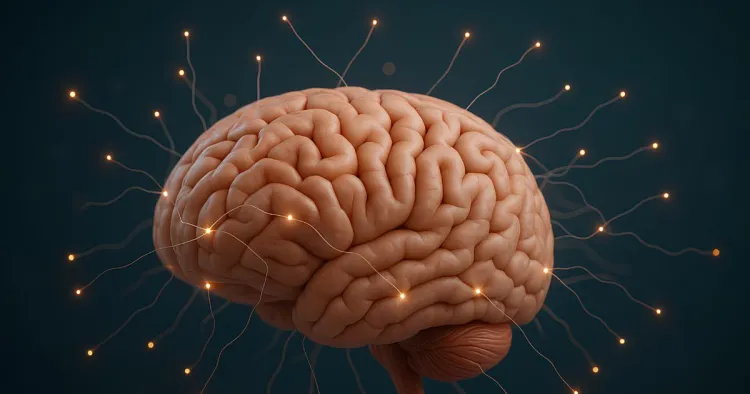
Understanding brain activity is essential for comprehending how cognitive processes function. Advances in neuroscience have revealed that different regions of the brain are responsible for various cognitive functions. For instance, the prefrontal cortex is crucial for decision-making, problem-solving, and critical thinking, while the hippocampus plays a key role in memory formation and retrieval.
Engaging in activities that stimulate brain activity, such as puzzles, reading, and learning new skills, can enhance cognitive performance. Additionally, practices such as mindfulness meditation have been shown to improve focus and cognitive flexibility by promoting healthy brain function.
Critical Thinking: The Culmination of Cognitive Skills
Critical thinking is the culmination of various cognitive skills, including analysis, evaluation, and synthesis of information. It involves questioning assumptions, recognizing biases, and making reasoned judgments based on evidence. Developing critical thinking skills is essential for navigating the complexities of modern life and making informed decisions.
To foster critical thinking, individuals should engage in reflective practices, seek diverse perspectives, and challenge their own beliefs. By doing so, they can enhance their cognitive abilities and become more adept at solving problems and making sound decisions.
Conclusion: Enhancing Mental Performance
In conclusion, understanding the various facets of mental performance—ranging from cognitive reframing and fast vs. slow thinking to critical reading and the role of memory—can significantly enhance our cognitive abilities. By recognizing biases, honing critical thinking skills, and engaging in reflective practices, individuals can improve their decision-making processes and overall mental performance. As we continue to navigate an ever-changing world, investing in our cognitive skills is not just beneficial; it is essential for personal and professional growth.
FAQ – Frequently asked questions: mind and mental performance
Cognitive reframing is a technique that involves changing the way you perceive a situation to alter its emotional impact. By viewing challenges as opportunities for growth, you can enhance your resilience and focus. Practicing this can lead to improved problem-solving skills and better decision-making.
Fast thinking, often referred to as System 1 thinking, is automatic and instinctive, while slow thinking (System 2) is deliberate and analytical. Understanding when to use each type can improve your decision-making and critical thinking skills. For complex problems, engaging in slow thinking can help prevent errors that arise from snap judgments.
Heuristics are mental shortcuts that simplify decision-making, but they can lead to biases and errors. While they can save time, relying solely on heuristics may cause you to overlook critical information. Being aware of these shortcuts allows you to question your judgments and make more informed choices.
Cognitive habits are patterns of thinking that can influence your behavior and decision-making. To develop better cognitive habits, practice mindfulness and self-reflection to identify negative thought patterns. Gradually replace these with positive affirmations and constructive thinking to enhance your mental performance.
Critical reading involves analyzing and evaluating the content rather than just absorbing information. This skill enhances comprehension and retention, allowing you to engage more deeply with material. Practicing critical reading techniques, such as questioning the author's intent and identifying biases, can improve your overall cognitive abilities.
Common biases include confirmation bias, where you favor information that confirms your existing beliefs, and availability heuristic, which relies on immediate examples that come to mind. Recognizing these biases is crucial for critical thinking and decision-making. To mitigate their effects, actively seek out diverse perspectives and challenge your assumptions.
Understanding argument structure helps you identify the main claim, supporting evidence, and logical fallacies in discussions. This clarity enables you to evaluate arguments more effectively and construct your own more persuasively. Practicing this skill can enhance your ability to engage in debates and discussions with confidence.
Techniques such as spaced repetition, mnemonic devices, and active recall can significantly enhance memory retention. Creating associations between new information and existing knowledge also aids in learning. Incorporating these strategies into your study routine can lead to more effective learning outcomes.
Brain activity reflects cognitive processes and can impact mental performance. Engaging in activities that stimulate brain function, such as puzzles and learning new skills, can enhance neural connections. Regular physical exercise and proper nutrition also support optimal brain activity, improving overall cognitive abilities.
Key components of critical thinking include analysis, evaluation, inference, and explanation. These skills enable you to assess information objectively and make reasoned conclusions. Practicing these components in everyday situations can strengthen your ability to think critically and navigate complex problems.